We are so excited to announce we are now offering Microneedling!
This state of the art procedure speaks for itself. With this treatment we will reverse the signs of aging, revive skin health, and reveal beautiful skin.
This month only receive 15% off all Microneedling treatments and we will donate 10% of our Microneedling proceeds to the St Francis Pink Up Cape Foundation!
Call for your free consultation.
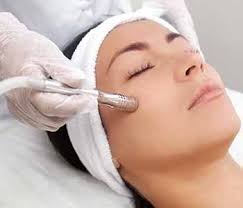
Microdermabrasion is a cosmetic treatment that involves exfoliating the skin for improved tone and texture. You may have a few questions about how it works, how to care for your skin post treatment, and what microdermabrasion is used for. We decided to let our licensed estheticians answer some our most frequently asked questions about microdermabrasion.
What is microdermabrasion?
Microdermabrasion is a procedure that removes the top layers of skin. This exfoliating treatment promotes new collagen production, smooths out the skin and helps reverse signs of aging by minimizing scars and smoothing our fine lines.
What type of microdermabrasion does Shine offer?
There are two types of microdermabrasion: diamond and crystal. Crystal microdermabrasion is what is most commonly used by most skin care professionals. During crystal microdermabrasion a handheld wand delivers tiny microcrystals across the skin removing damaged or aging skin. The device uses a small vacuum that sucks up the dead skin and used crystals leaving the skin refreshed post-procedure. Diamond-tip microdermabrasion utilizes a wand with a tip made from natural or synthetic diamond chips. Shine offers two passes with crystal microdermabrasion followed by a single diamond-tip pass to finish the treatment.
How often would you recommend someone have microdermabrasion treatments?
We recommend at least a series of three treatments, spaced 3-4 weeks apart. If a client has pigmentation, scarring or deep wrinkles, more treatments will be necessary.
Is there any downtime with microdermabrasion?
There is no downtime when receiving microdermabrasion treatments. However, we do recommend that you stop your Rentin-A or Retinol topicals five days prior to your treatment.
How should someone care for their skin after a microdermabrasion treatment?
We suggest a “core 4” product regimen that consist of an antioxidant, Retinol or Retin-A, moisturizer, and SPF of 30 or higher. This will keep the skin healthy and hydrated giving the client a better faster result.
Myth 1: Only people with oily skin can get acne
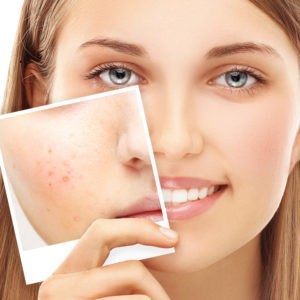
Acne is caused by clogged pores and bacteria. Flakes of dead skin cells and dirt can clog pores trapping acne causing bacteria for people with dry skin. Oily skin types produce excess oil, which can lead to clogged pores and therefore acne. The type of treatment used to treat acne will be determined by your skin type, oily or dry.
Myth 2: Acne treatments work quickly
The best acne treatment is prevention. The acne cycle takes eight weeks, meaning it can take up to eight weeks to see your full results from an acne skincare regimen or treatment. Consistency is key in seeing results along with sticking with your prescribed regiment, even if you don’t see results right away.
Myth 3: The sun can clear acne
The sun can may make your pimples appear less noticeable, but that doesn’t mean they are gone. Sun exposure can make acne worse by dehydrating the skin and therefore triggers increased oil production. You may also see an increase in hyperpigmentation and darkening of your acne scars. We recommend a physical sunscreen of an SPF 30 or higher to protect your skin from sun exposure.
Myth 4: Scrubbing your skin will get rid of pimples
Over-exfoliating worsens acne. We recommend using a cleanser based on your skin type that contains either salicylic or glycolic acid.
Myth 5: Retinoids make your skin more sensitive to the sun
Retinol and Retin-A’s are used to treat acne. These products are designed to be used at nighttime to promote cellular turnover because they lose their efficacy when exposed to sunlight. Again, we recommend an SPF 30 or higher to stay protected from sun exposure.