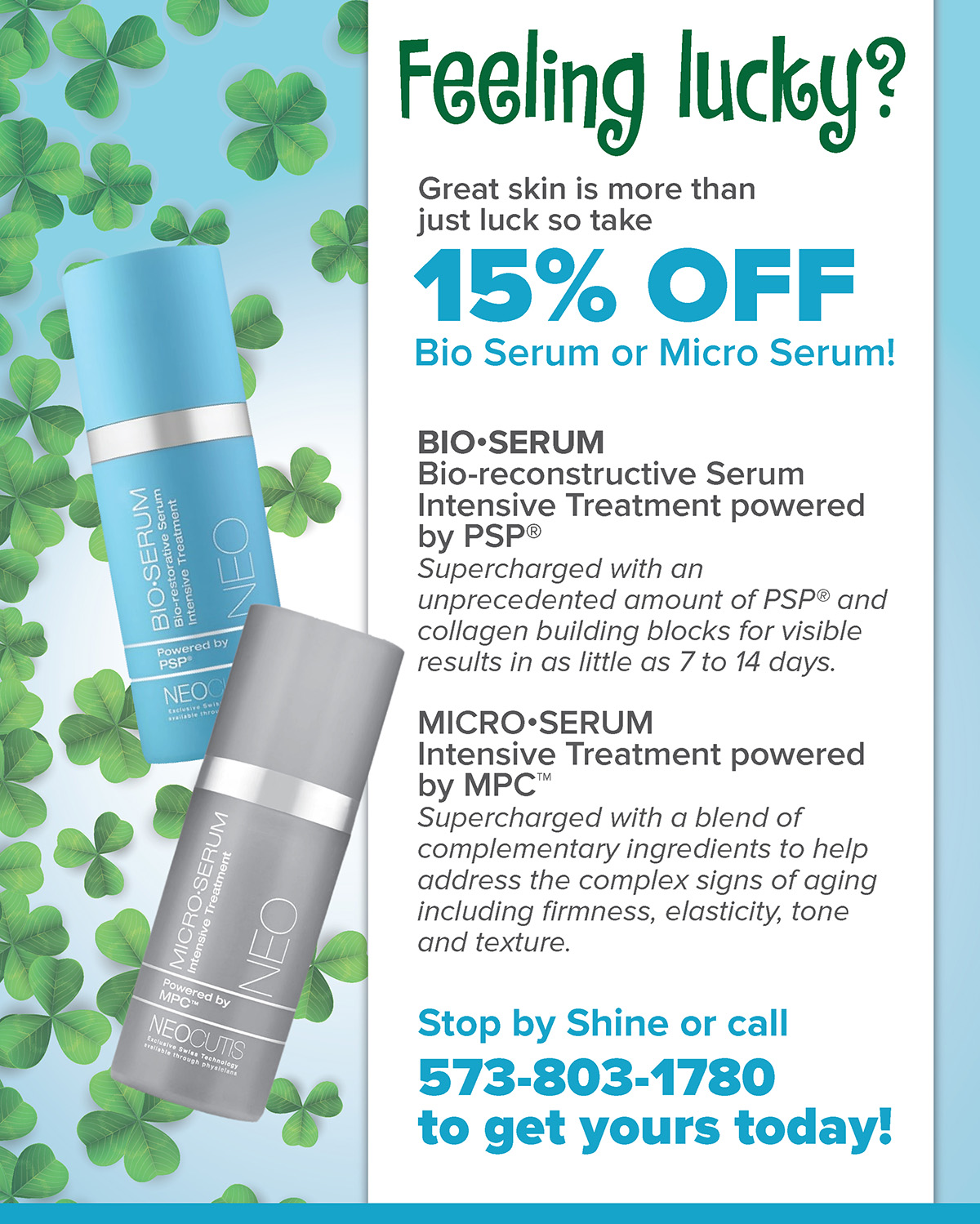

November Special
A Dive into Pigmentation
You go to great lengths to keep your skin looking its best by using serums, creams and receiving skin treatments, all of which play an important part in managing healthy-looking skin. However, it’s also important to understand what’s happening underneath your skin to affect its pigmentation, or color. So, lets dive into what pigmentation is and how it can be treated.
What is pigmentation?
Pigmentation is the color of a person’s skin. There are also two types of pigmentation, hyperpigmentation (darker) and hypopigmentation (lighter).
What causes changes in pigmentation?
Most of what we perceive as aging is caused by factors that you can control, the main one being the amount of time your skin spends exposed to the sun. Excessive sun exposure may be responsible for structural changes in the skin that will not be seen for years and can also cause drastic changes to your skin’s pigmentation.
The sun’s rays speed up how active your skin cells, or melanocytes, are. Melanocytes produce melanin, the pigment that gives your skin its color, so more exposure to the sun means more pigment in your skin.
Pigmentation changes may also take place in those who have darker skin, as dark skin tends to have more melanin, which makes one more susceptible to a condition known as melasma. Also known as “pregnancy mask,” melasma is characterized by brown or tan patches on the face and is caused by a change in hormone levels.
Additionally, changes in pigmentation may also be attributed to post-inflammatory hyperpigmentation (PIH). PIH, which is caused by trauma to the skin such as acne, these are dark spots that remain long after the initial inflammation has healed.
Treatment and prevention
The good news is that you can manage pigmentation changes to your skin by limiting your exposure to the sun and avoiding unnecessary trauma to your skin. Some easy-to-follow recommendations include wearing an SPF 30 or higher every day, bringing a hat or umbrella for further protection from the sun, and always wearing sunglasses.
Hydroquinone is considered by many to be the gold standard for treating pigmentation issues and is a key ingredient in the Obagi Nu Derm System which is ideal for treating age spots, dark spots, and melasma.
We offer our clients a free Visia Skin Analysis to determine the best treatment option for maximum results.
WHEN SHOULD YOU START AN ANTI-AGING REGIMEN? RIGHT NOW
If you've been wondering when you should start an anti-aging regime, the answer is: it's never too soon. How you treat your skin now will have a HUGE impact on how it looks in the future so don't wait a single second to protect and nourish it. Here are a few ways to get started:
START WEARING SUNSCREEN SPF 30 OR HIGHER EVERYDAY
Wear a broad spectrum sunscreen of a SPF 30 or higher every single day. Even if it is rainy or cloudy. Sun damage is the number one cause of skin aging. Signs of sun damaged skin include skin discolorations, fine lines, wrinkles, and rough texture.
WASH YOUR FACE MORNING AND NIGHT
Give your skin a break by washing away your makeup every night. Washing your face every am and pm gives your skin the clean slate to apply anti-aging treatment products to perfectly cleansed skin for maximum absorption and maximum benefit.
DEVELOP A DAILY ANTI-AGING SKIN CARE ROUTINE
Start with the basics,
Cleanser, toner, eye cream, antioxidant, moisturizer, SPF 30 or higher.
LEAD A HEALTHY LIFESTYLE
Take care of your body- eat a healthy diet, stay hydrated, exercise regularly, get plenty of sleep, and don't smoke.
Take care of your mind- Practice stress reduction and relaxation techniques such as, massages, facials, or meditation.