You go to great lengths to keep your skin looking its best by using serums, creams and receiving skin treatments, all of which play an important part in managing healthy-looking skin. However, it’s also important to understand what’s happening underneath your skin to affect its pigmentation, or color. So, lets dive into what pigmentation is and how it can be treated.
What is pigmentation?
Pigmentation is the color of a person’s skin. There are also two types of pigmentation, hyperpigmentation (darker) and hypopigmentation (lighter).
What causes changes in pigmentation?
Most of what we perceive as aging is caused by factors that you can control, the main one being the amount of time your skin spends exposed to the sun. Excessive sun exposure may be responsible for structural changes in the skin that will not be seen for years and can also cause drastic changes to your skin’s pigmentation.
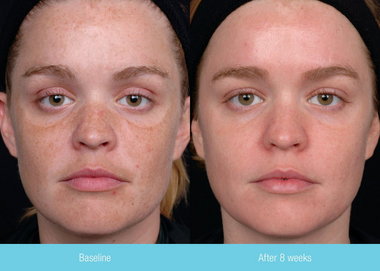
The sun’s rays speed up how active your skin cells, or melanocytes, are. Melanocytes produce melanin, the pigment that gives your skin its color, so more exposure to the sun means more pigment in your skin.
Pigmentation changes may also take place in those who have darker skin, as dark skin tends to have more melanin, which makes one more susceptible to a condition known as melasma. Also known as “pregnancy mask,” melasma is characterized by brown or tan patches on the face and is caused by a change in hormone levels.
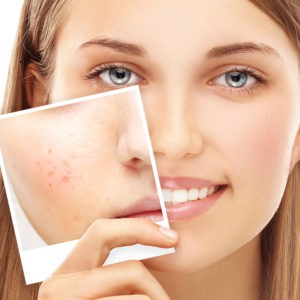
Additionally, changes in pigmentation may also be attributed to post-inflammatory hyperpigmentation (PIH). PIH, which is caused by trauma to the skin such as acne, these are dark spots that remain long after the initial inflammation has healed.
Treatment and prevention
The good news is that you can manage pigmentation changes to your skin by limiting your exposure to the sun and avoiding unnecessary trauma to your skin. Some easy-to-follow recommendations include wearing an SPF 30 or higher every day, bringing a hat or umbrella for further protection from the sun, and always wearing sunglasses.
Hydroquinone is considered by many to be the gold standard for treating pigmentation issues and is a key ingredient in the Obagi Nu Derm System which is ideal for treating age spots, dark spots, and melasma.
We offer our clients a free Visia Skin Analysis to determine the best treatment option for maximum results.
Myth 1: Only people with oily skin can get acne
Acne is caused by clogged pores and bacteria. Flakes of dead skin cells and dirt can clog pores trapping acne causing bacteria for people with dry skin. Oily skin types produce excess oil, which can lead to clogged pores and therefore acne. The type of treatment used to treat acne will be determined by your skin type, oily or dry.
Myth 2: Acne treatments work quickly
The best acne treatment is prevention. The acne cycle takes eight weeks, meaning it can take up to eight weeks to see your full results from an acne skincare regimen or treatment. Consistency is key in seeing results along with sticking with your prescribed regiment, even if you don’t see results right away.
Myth 3: The sun can clear acne
The sun can may make your pimples appear less noticeable, but that doesn’t mean they are gone. Sun exposure can make acne worse by dehydrating the skin and therefore triggers increased oil production. You may also see an increase in hyperpigmentation and darkening of your acne scars. We recommend a physical sunscreen of an SPF 30 or higher to protect your skin from sun exposure.
Myth 4: Scrubbing your skin will get rid of pimples
Over-exfoliating worsens acne. We recommend using a cleanser based on your skin type that contains either salicylic or glycolic acid.
Myth 5: Retinoids make your skin more sensitive to the sun
Retinol and Retin-A’s are used to treat acne. These products are designed to be used at nighttime to promote cellular turnover because they lose their efficacy when exposed to sunlight. Again, we recommend an SPF 30 or higher to stay protected from sun exposure.
Many thoughts creep through the minds of those who live with double chins. Here are five truths that may just hit home:
They’re only cute on babies.
All the neck and chin lifting exercises in the world aren’t going to change the look of this chin.
For guys: Maybe facial hair could disguise the problem. Maybe not, when it doesn’t grow to a full beard.
Camera angles for pictures are tricky. Go high, please.
Mirrors are not enjoyable to look at.
We understand the struggle is real and want to help!
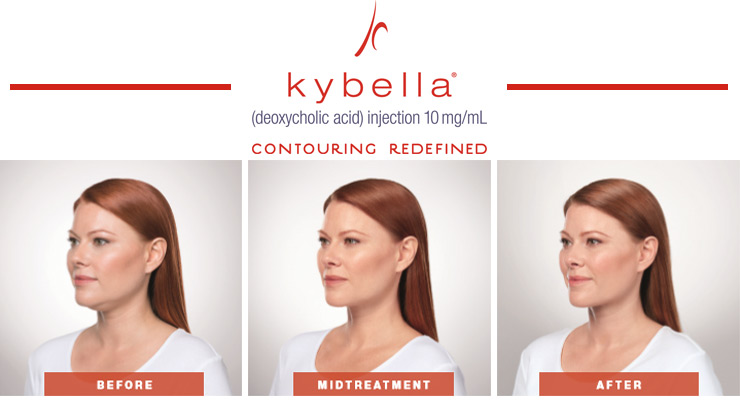
Put your best chin forward with Kybella, an injectable treatment for adults with chin fullness or more than a double chin. Kybella eliminates fat cells beneath the chin to help improve the ever-so-necessary side profile. Kybella treatments are administered at least 1 month apart and should not exceed six total treatments. Because no two chins are the same, treatments will be different for each person. It all comes down to the amount of submental fat (double chin) that's being treated. To start your treatment journey we recommend to schedule a free consultation with one of our highly trained team members in order to decide whether or not Kybella is right for you and how much is necessary to treat your situation. Don't wait, draw a different line today!