March Special
Related Posts

What is a Chemical Peel?
Sidney | 12.1.2017
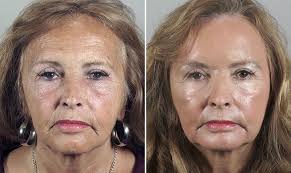
A chemical peel is a treatment used to improve the appearance of the skin. A chemical peel can be used on the face, neck, chest or hands. The chemical solution is applied to skin causing an exfoliating process which will eventually peel off. The fresh new skin is smoother, less wrinkled, and has more even tones. There are three basic types of chemical peels we offer:
Superficial or lunchtime peel: This would be a mild acid used to penetrate only the outer layer of the skin for a gentle exfoliation. The treatment is used to improve the appearance of mild skin discolorations, texture, and fine lines and wrinkles.
Medium depth peel: Glycolic acid is applied to penetrate the outer and middle layers of the skin. This treatment will help improve dark spots, fine lines and wrinkles, and rough textures such as acne scarring.
Deep peel: A TCA peel is applied to the skin surface to deeply penetrate the middle layer of the skin to improve deep wrinkle lines, dark spots, and shallow scars.
Myths about Acne
Sidney | 2.8.2018
Myth 1: Only people with oily skin can get acne
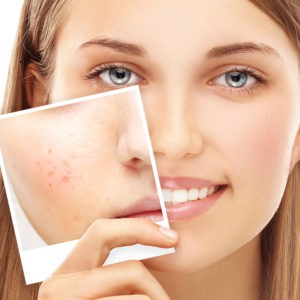
Acne is caused by clogged pores and bacteria. Flakes of dead skin cells and dirt can clog pores trapping acne causing bacteria for people with dry skin. Oily skin types produce excess oil, which can lead to clogged pores and therefore acne. The type of treatment used to treat acne will be determined by your skin type, oily or dry.
Myth 2: Acne treatments work quickly
The best acne treatment is prevention. The acne cycle takes eight weeks, meaning it can take up to eight weeks to see your full results from an acne skincare regimen or treatment. Consistency is key in seeing results along with sticking with your prescribed regiment, even if you don’t see results right away.
Myth 3: The sun can clear acne
The sun can may make your pimples appear less noticeable, but that doesn’t mean they are gone. Sun exposure can make acne worse by dehydrating the skin and therefore triggers increased oil production. You may also see an increase in hyperpigmentation and darkening of your acne scars. We recommend a physical sunscreen of an SPF 30 or higher to protect your skin from sun exposure.
Myth 4: Scrubbing your skin will get rid of pimples
Over-exfoliating worsens acne. We recommend using a cleanser based on your skin type that contains either salicylic or glycolic acid.
Myth 5: Retinoids make your skin more sensitive to the sun
Retinol and Retin-A’s are used to treat acne. These products are designed to be used at nighttime to promote cellular turnover because they lose their efficacy when exposed to sunlight. Again, we recommend an SPF 30 or higher to stay protected from sun exposure.